Anxiety or withdrawal
When worry, fear, avoidance, clinginess or shutting down begins to limit daily life.
Trauma, Loss and Anxiety Support
Ligpunt supports children and families when emotional distress begins to show through behaviour, withdrawal, aggression, school strain, adjustment difficulty or unexplained changes in functioning.

Anxiety, withdrawal or persistent worry.
Aggression, overwhelm or sudden emotional intensity.
Adjustment after divorce, relocation, change or loss.
Trauma, difficult experiences or unexplained changes.
A child may not arrive with the right words for what has happened or what feels unsafe inside. Distress can appear as behaviour changes, anxiety, withdrawal, aggression, school difficulty, clinginess, shutdown or emotional swings.
Ligpunt works from a child-centred and family-focused approach. The aim is to understand the child's experience, offer appropriate emotional and behavioural support, and help the adults around the child respond with steadier, practical strategies.
Families, schools and professional referrers may seek support when a child's emotional world starts affecting everyday life, relationships or functioning.
When worry, fear, avoidance, clinginess or shutting down begins to limit daily life.
When big feelings come out through anger, defiance, meltdowns or emotional intensity.
When divorce, relocation, bereavement, blended-family adjustment or other changes need support.
When trauma, conflict, exposure to painful events or ongoing stress has affected a child.
When emotional stress begins to show in concentration, behaviour, attendance or peer relationships.
When behaviour or functioning changes and the adults around the child need help making sense of it.

The work is not to rush a child through a painful experience. It is to create enough safety to understand what the child is communicating, support emotional regulation and help the family respond in ways that are consistent and developmentally appropriate.
Create a steadier space where the child is not overwhelmed by the process.
Explore behaviour, emotions and adjustment in the context of the child's life.
Equip parents and caregivers with practical responses that can be used at home.
Start with what parents, schools or referrers are noticing in behaviour, emotions or functioning.
Consider the child's developmental stage, family context, school setting and recent experiences.
Use a child-centred therapeutic approach that allows the child to process safely and at an appropriate pace.
Share practical strategies so parents and caregivers know how to respond beyond the session.
Ligpunt works with parents, schools, doctors and professional referrers where appropriate. The purpose is to build a clearer shared understanding of the child's needs and to support practical solutions that can be implemented in daily life.
Guidance for home responses, transitions, emotional signals and routines.
Insight when stress affects behaviour, learning, adjustment or classroom functioning.
Professional collaboration where a child or family needs structured support.
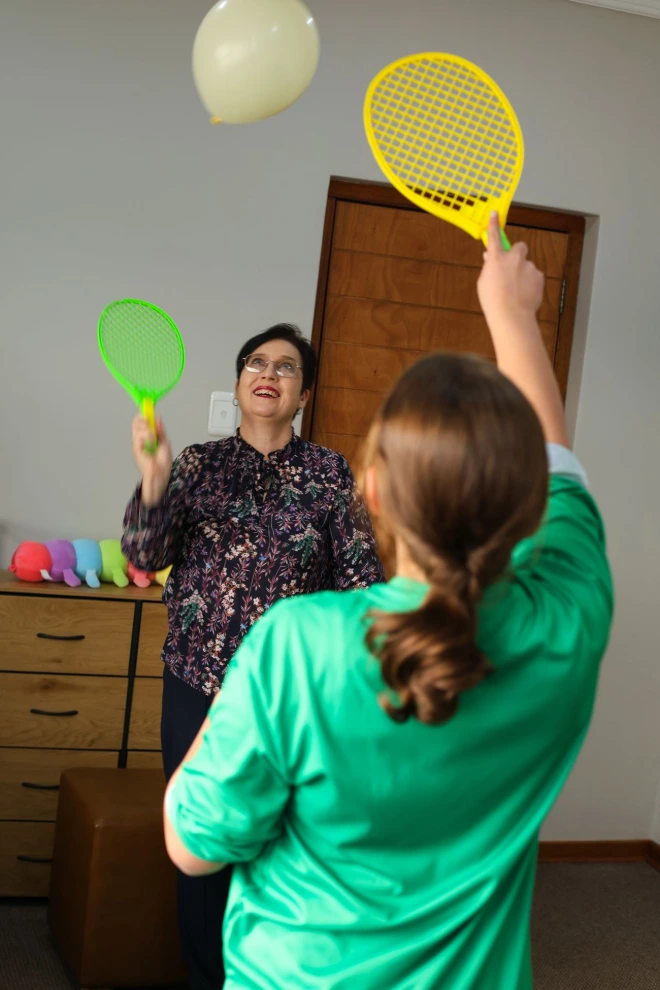
For younger children who communicate through play, symbols and carefully observed behaviour.
Teen therapyFor adolescents carrying pressure, change, anxiety, loss or big emotions.
Family guidanceFor practical strategies and support for the adults around the child.
Psycho-social assessmentsWhen a clearer assessment of behaviour, emotions, relationships and support needs is required.
Share what you are noticing in the child's behaviour, emotions, school life or family adjustment. Ligpunt can help clarify the most appropriate next step.