Parenting-plan development or review
When arrangements need to be shaped or reconsidered in the child's best interests.
Divorce and Parenting Support
Ligpunt supports children, parents and professional role players when divorce, parenting plans, mediation outcomes or co-parenting arrangements need careful child-centred implementation.
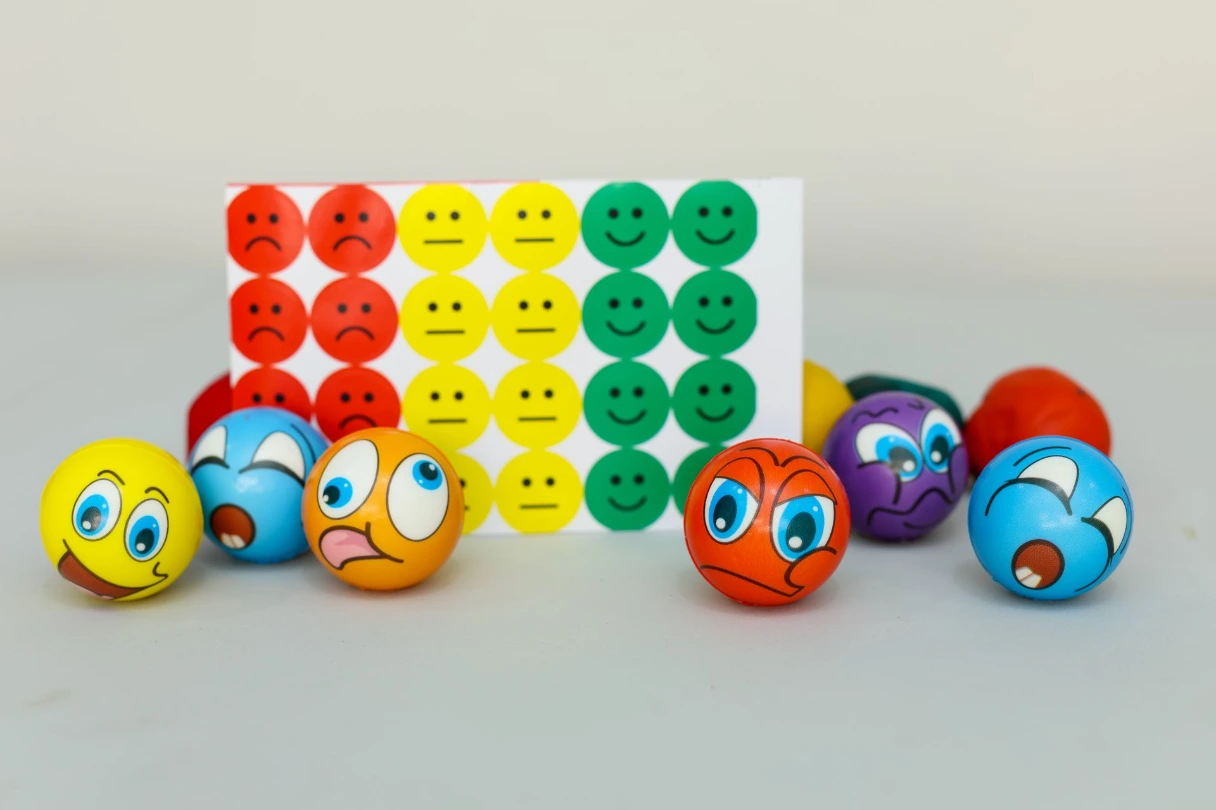
Understand the child's lived experience.
Support parents with practical next steps.
Build stability and reduce conflict where possible.
Divorce and separation affect children in ways adults may not immediately see. Even when agreements are carefully written, families may still need support with emotions, transitions, communication patterns and the practical implementation of arrangements.
Ligpunt helps keep the child's experience central while supporting adults to make steadier decisions, reduce unnecessary conflict and build more sustainable parenting outcomes.
Professional support helps bridge the gap between legal arrangements and the emotional adjustment of the family.
When arrangements need to be shaped or reconsidered in the child's best interests.
When professional insight can support clearer, more child-centred decisions.
When a plan exists, but daily routines, transitions or communication remain strained.
When conflict, avoidance or uncertainty affects the child's adjustment and family stability.
When adults need help understanding how the child is experiencing change, loss or tension.
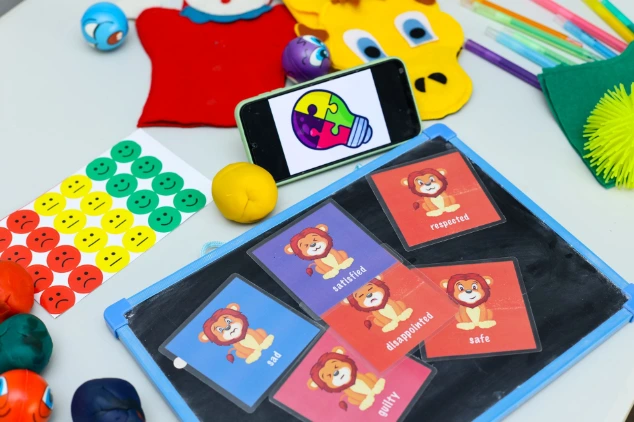
The work is not about placing adult decisions on the child. It is about understanding the child's emotional needs, adjustment and lived experience so that adults can make more responsible, informed decisions.
Listening carefully to the child's experience without asking the child to decide.
Understanding behaviour, emotions and family dynamics together.
Helping parents respond to the child's needs during transition and change.
The process is shaped around the family context, the child's needs and the practical next steps needed to support stability.
Identify what has become difficult: communication, transitions, contact, routines or adjustment.
Explore the child's emotional needs, behaviour and adjustment within the family context.
Help parents or role players respond more consistently and reduce avoidable conflict.
Translate recommendations or parenting arrangements into practical, sustainable next steps.
Divorce and parenting support may include parent guidance, family guidance, support after mediation, or connected therapeutic services when a child is struggling with the transition.
Reducing unnecessary tension and helping adults focus on workable next steps.
Supporting children through handovers, routine changes and household differences.
Creating steadier responses so the child does not carry adult uncertainty.
For practical guidance when separation, routines, co-parenting or adjustment become difficult.
For child-centred support around parenting plans, mediation processes and implementation challenges.
For insight when family change begins to show in behaviour, learning or emotional wellbeing.

When the child's experience needs to be professionally understood and communicated.
Relationship restorationWhen trust, contact or emotional safety needs careful repair.
Supervised contactWhen contact requires safe, structured professional containment.
Family guidanceWhen parents need practical strategies for steadier family life.
Share where the pressure is showing: the child's adjustment, parent communication, transitions, conflict or implementation of arrangements.