Change and adjustment
Divorce, relocation, loss, family transition or changes in routine.
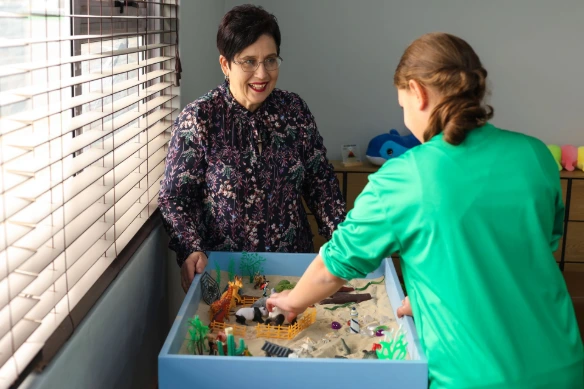
Therapeutic support for children
Play Therapy
Play therapy supports children who are carrying emotional, behavioural or adjustment difficulties. Through age-appropriate play, the child can express feelings, process experiences and begin building healthier ways to cope.
Children often do not have the adult words to explain fear, loss, anger, loyalty conflict, anxiety or change. Play creates a developmentally appropriate way for the child's inner world to become visible without forcing the child into adult language.
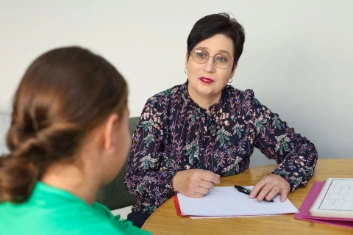
Ligpunt approaches play therapy with emotional safety, empathy and professional care. Parents are included and supported with practical guidance where this forms part of the therapeutic process.
A child may benefit from play therapy when emotions, behaviour or adjustment begin to show that something needs careful attention.
Divorce, relocation, loss, family transition or changes in routine.
Worry, fearfulness, emotional overwhelm or pulling away from others.
Aggression, defiance, outbursts or behaviour that feels hard to understand.
Support after painful, confusing or overwhelming events.
Adjustment difficulties, friendship concerns or school-related stress.
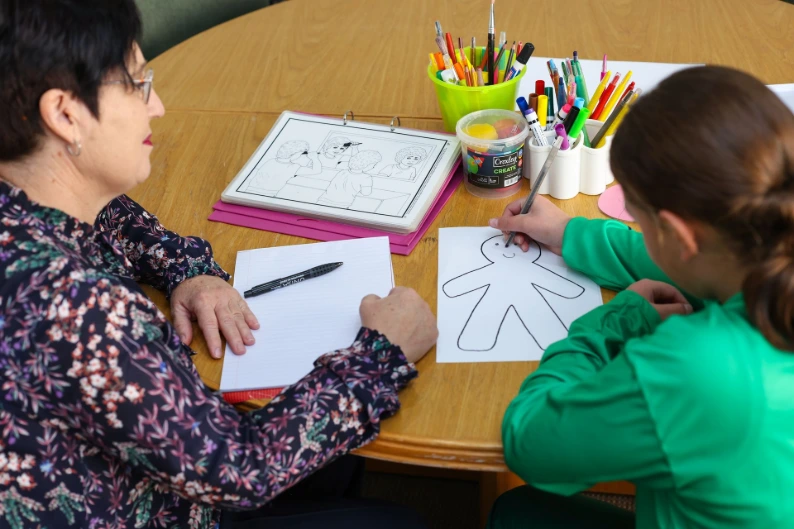
Play therapy is not simply playing with toys. The materials, the rhythm of sessions, the child's choices and the therapist's observations all help create a space where feelings and needs can be understood.
A steady therapeutic setting where the child can settle and engage.
Play, drawing, stories and therapeutic tools support emotional expression.
The child's play is considered within family, school and developmental context.
Parents are not treated as outsiders to the process. Where appropriate, parent guidance helps adults understand emotional signals, support the child at home and respond with more confidence.
Making sense of what the child's behaviour may be communicating.
Supportive responses that can be used at home, school or during transitions.
Helping the child feel seen, heard and emotionally safer with trusted adults.
The concern, referral reason and immediate needs are discussed.
Relevant background, family context and developmental information are gathered.
The child is supported through age-appropriate play-based therapeutic work.
Parents receive feedback or guidance according to the agreed therapeutic process.
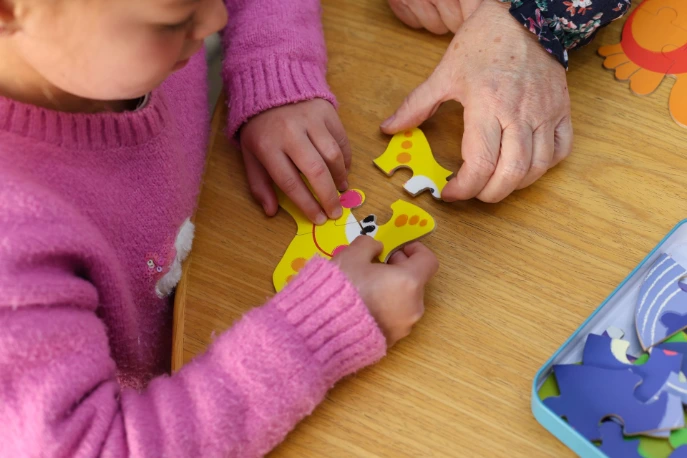
For children carrying painful, confusing or overwhelming experiences.
Parent-child relationship restorationWhen trust, emotional safety or connection needs careful repair.
School behaviour and adjustment supportWhen emotional or behavioural concerns affect school functioning.
Share the emotional, behavioural or adjustment concern you are seeing. Ligpunt can help clarify whether play therapy is the right next step for your child.