Trust has been damaged
When a child feels emotionally unsafe, uncertain or guarded in the relationship.
Parent-child Relationship Restoration
Parent-child relationship restoration, sometimes referred to as binding therapy, supports the careful repair of connection where trust, contact or emotional safety has been strained. The work is paced around the child, the parent-child relationship and the wider family context.
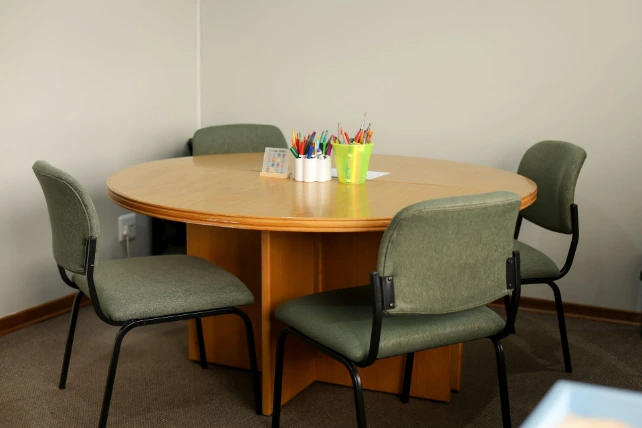
A strained parent-child relationship can carry hurt, confusion, fear, loyalty strain or uncertainty. Children may withdraw, resist contact, become angry, or struggle to trust the adult relationship again.
Relationship restoration focuses on rebuilding emotional safety and trust in a structured, child-centred way. It considers the child's experience, the parent's role, and the practical realities around family change, conflict or parenting-plan implementation.
Relationship restoration is often considered when family transitions or conflict have created a gap in connection that needs professional, child-centred clarity.
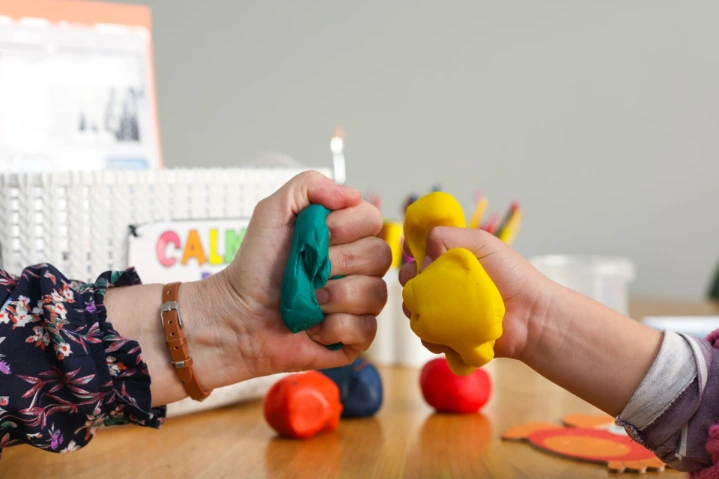
When a child feels emotionally unsafe, uncertain or guarded in the relationship.
When contact arrangements exist, but the emotional experience remains strained.
When separation, divorce, conflict or communication breakdown has shaped the relationship.
When a parenting plan is in place, but stability and emotional adjustment need help.
Restoration is not rushed. The work begins by understanding what has happened, what the child is experiencing, and what the parent-child relationship needs in order to become safer and more stable.
The child is not pushed to carry adult expectations or resolve adult conflict.
The adult role, responses and consistency are part of the repair process.
Connection is strengthened through carefully planned, emotionally safer steps.
The exact pathway depends on the referral question, the family context and what the child needs emotionally. The process is structured, but never mechanical.
The relationship strain, referral reason and immediate risks or sensitivities are explored.
The child's emotional world, needs and readiness are considered carefully.
Parents are supported to understand their role in rebuilding emotional safety.
Connection is restored gradually, with attention to trust, predictability and feedback.
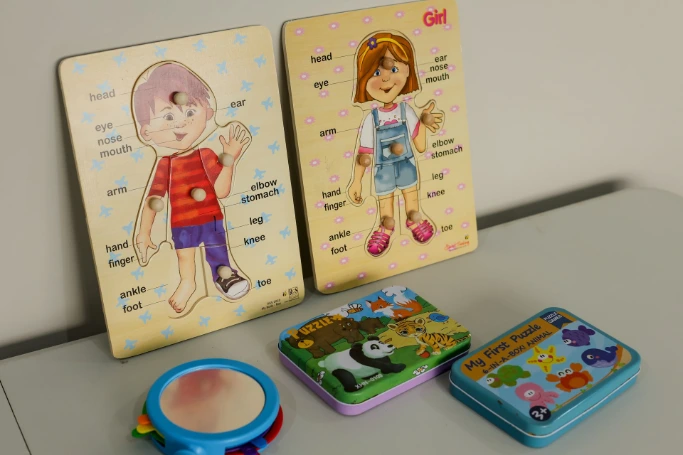
A child may need more than a contact arrangement to feel safe again. Adults often need support to respond consistently, reduce pressure, understand emotional signals and create a more stable relational environment.
Predictable responses help rebuild trust over time.
Adults hold the repair process without placing the burden on the child.
Small repeated actions matter more than rushed promises.
Relationship restoration may be requested by parents or referred by professionals where a child-centred process is needed after mediation, parenting-plan development, separation, conflict or relationship strain.
Share the relationship concern, the child's context and the current contact or family situation. Ligpunt can help clarify whether parent-child relationship restoration is the appropriate pathway.