Behaviour or emotional changes
When teachers or parents notice a meaningful shift in behaviour, mood or daily functioning.
School Behaviour and Adjustment Support
Ligpunt supports parents, schools and doctors when changes in behaviour, emotions, learning, adjustment or functioning suggest that a child may need deeper understanding and practical support.
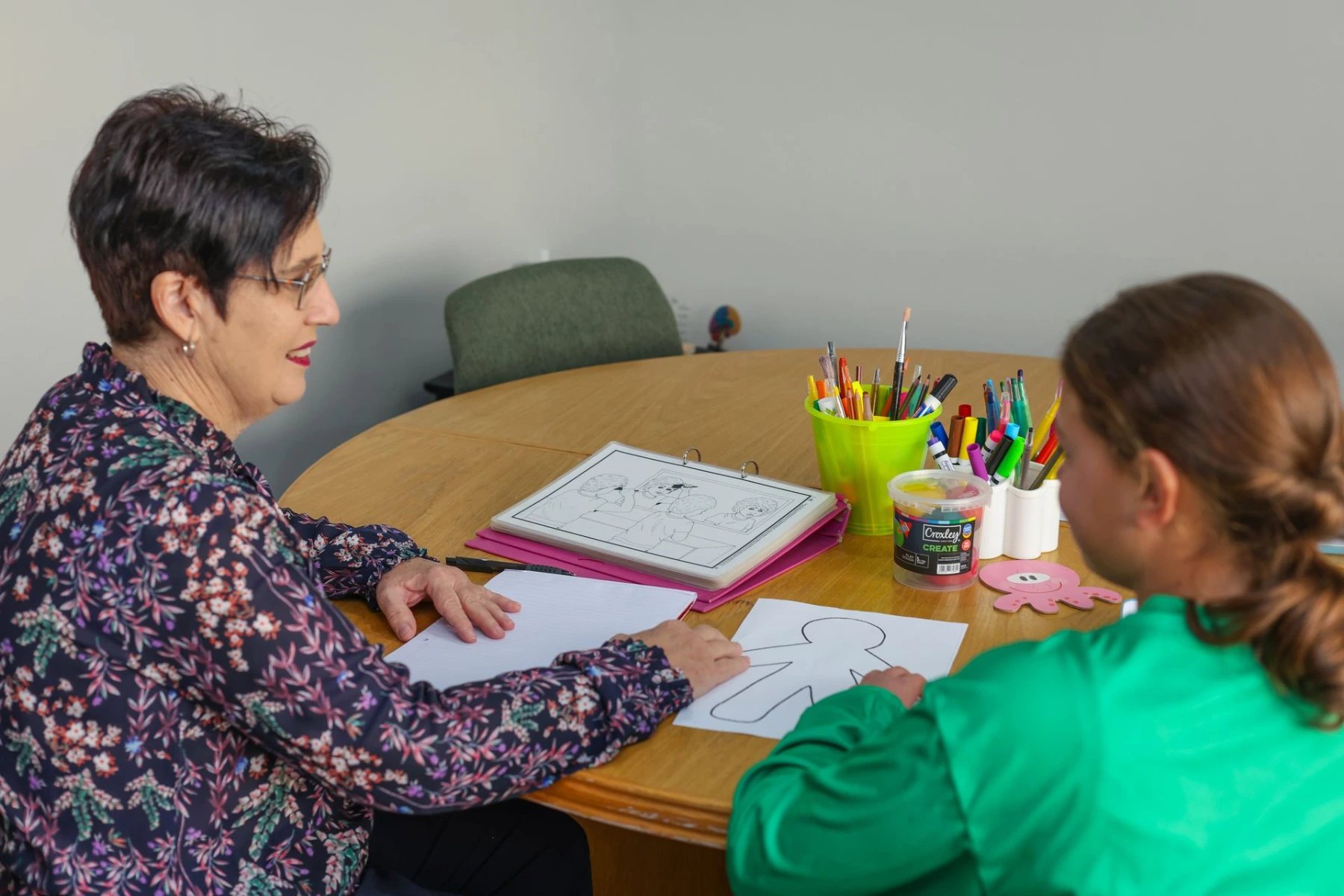
A child may struggle at school because of anxiety, loss, family transition, trauma, developmental needs, relationship strain or emotional overwhelm. The visible behaviour is often only one part of the picture.
Ligpunt works with parents, schools, doctors and early-childhood settings to understand the child's experience and help families implement practical solutions that support long-term emotional wellbeing and development.
When teachers or parents notice a meaningful shift in behaviour, mood or daily functioning.
When distress shows through worry, silence, avoidance, anger, defiance or emotional intensity.
When classroom difficulty may be connected to emotional, relational or adjustment needs.
When divorce, relocation, loss, family change or trauma affects participation and wellbeing.
When adults are unsure why a child is no longer coping as expected.
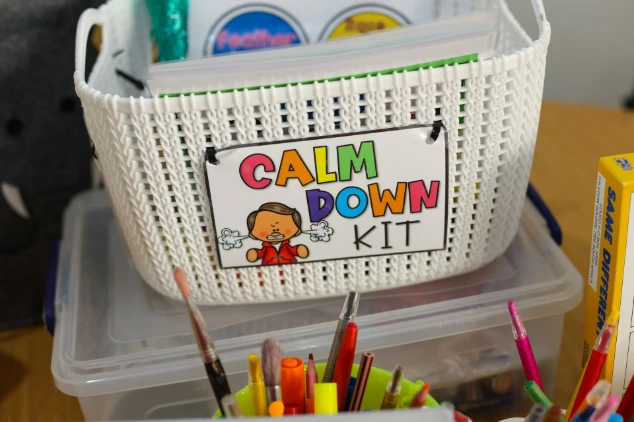
Referrals may come from parents, doctors, schools, teachers, preschools or early-childhood centres. Where appropriate, feedback can help the adults around the child respond with more clarity and consistency.
Help understanding emotional signals and choosing practical responses at home.
Context for behaviour, adjustment, classroom strain and peer or learning concerns.
Professional collaboration when emotional or behavioural support may be needed.
The process is shaped around the family context, the child's needs and the practical next steps needed to support stability.
Gather what parents, teachers or doctors are observing across home and school.
Explore behaviour, emotions, relationships, adjustment and family context.
Clarify whether assessment, play therapy, family guidance or parent support is indicated.
Help adults implement strategies that are usable at home, school and in daily routines.
The work may include psycho-social assessment, emotional and behavioural support, play therapy, parent guidance, family guidance or practical strategy development, depending on what the child and family need.
What may be happening beneath the visible behaviour?
What does the child need from adults to cope more safely?
Which strategies can be repeated consistently enough to help?
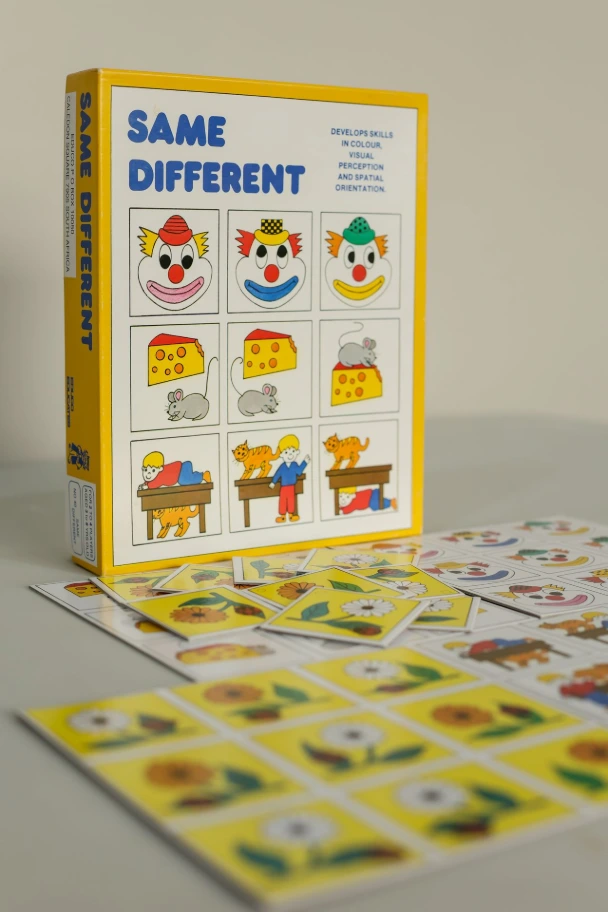
When behaviour, emotions, relationships and support needs need clearer assessment.
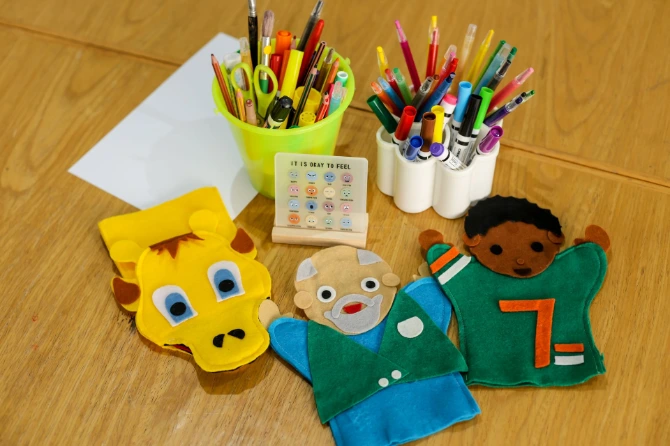
Play therapyFor younger children who communicate distress through play, symbols and behaviour.
Family guidanceWhen parents need practical strategies for home and family patterns.
Training and workshopsFor schools and adults who need practical tools to understand child behaviour.
Share what has shifted at school, at home or in the child's functioning. Ligpunt can help clarify the most appropriate support pathway.